Find it. Prove it. Fix it.
Spend less time diagnosing. More time fixing cars.
Sparkr helps your technicians turn fault codes, vehicle data, and test results into clear diagnostic next steps—so difficult jobs keep moving without constantly relying on your lead technician.
- Know what to test next.
- Give your technicians a clearer path forward instead of another list of possible causes.
- Keep your best tech focused.
- Help your team work through diagnostic problems before escalating every difficult case.
- Test before you replace.
- Use evidence and test results to narrow the problem before committing to a repair.
 Tech Mike
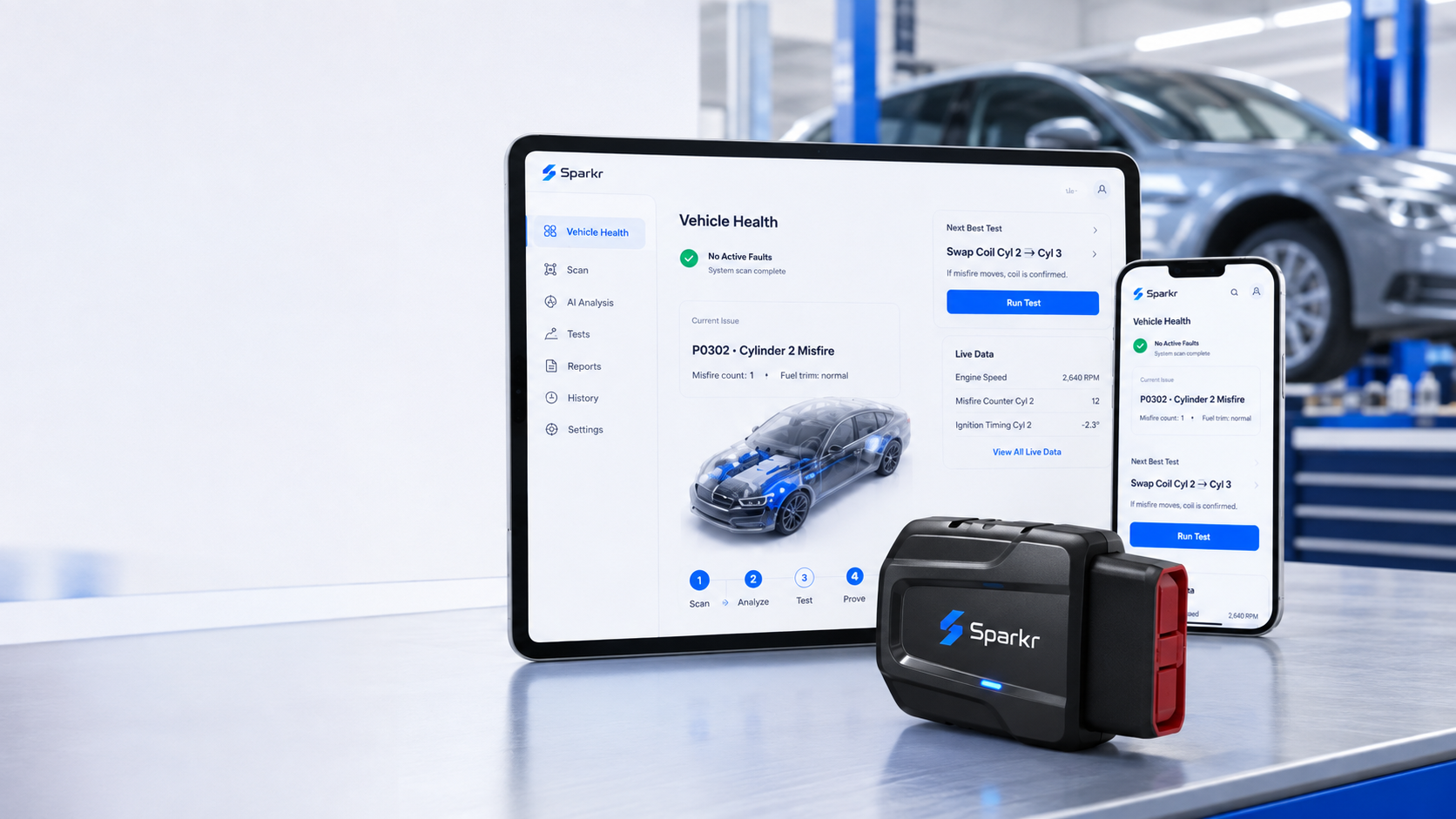
Vehicle Health
2 active faults
P0107 · P0122 · meter 1.1V, not a Link PID
Next Best Test
Unplug MAP — watch 5V ref
Two sensors failed together. If VREF returns to 5.0V with MAP unplugged, the short is on the MAP branch — not a bad PCM.
Run TestEntered readings
- 5V reference
- 1.1 V
- MAP signal
- 0.12 V
- TPS signal
- 0.11 V
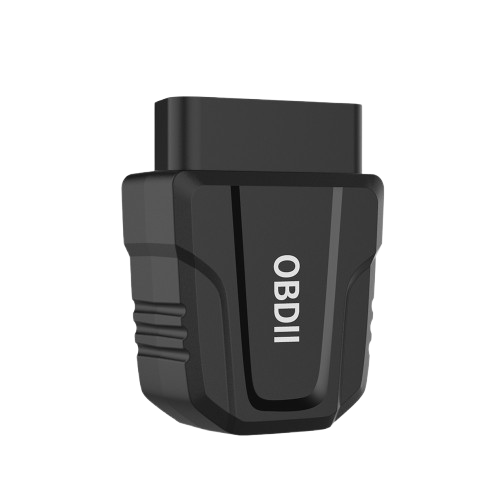
Sparkr Link
connected to the vehicle
Built for diagnostic trust.
Connected to the vehicle. Guided by evidence. Verified by testing. The technician stays in control.
-
Vehicle-connected
Bring codes, live data, freeze-frame, vehicle context, and customer complaints into the diagnostic session.
-
Evidence-guided
See the data and reasoning behind each recommendation.
-
Test-driven
Know what to test next before replacing parts.
-
Repair-verified
Rescan the vehicle and confirm the problem is actually fixed.
When diagnosis stalls, the whole shop slows down.
One difficult vehicle can tie up a bay, interrupt your most experienced technician, and delay the next job. Sparkr helps your team move through diagnostics with a clearer, test-driven process.
-
Too much time chasing the problem.
Technicians move between scan data, service information, test equipment, and possible causes before knowing what to check next.
-
Your lead technician becomes the bottleneck.
Less-experienced technicians frequently need help from the same person, interrupting other work.
-
Guessing gets expensive.
Replacing parts without confirming the cause can waste labor, increase costs, and lead to repeat work.
How a job moves
From the problem to a supported diagnosis.
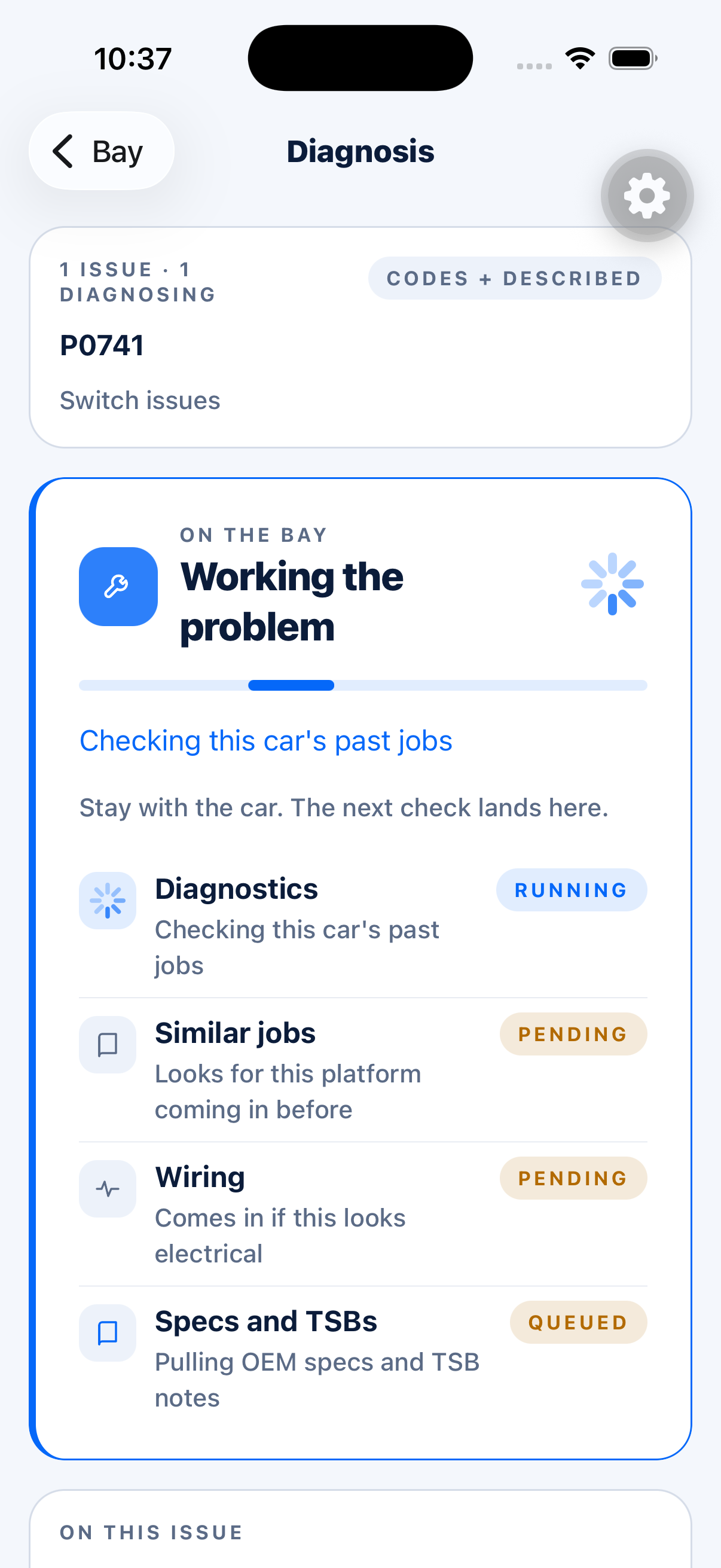
Four steps. The technician stays on the tools. Sparkr keeps the next check, the result, and the case in one place.
-
01
Connect the vehicle.
Start with available fault codes, vehicle data, and the customer's complaint.
-
02
Know what to check.
Sparkr evaluates the evidence and recommends an appropriate next diagnostic test.
-
03
Test and narrow the problem.
Record what happened and let Sparkr update the diagnostic assessment.
-
04
Confirm the repair.
Keep the diagnostic evidence and repair verification together in one case.
Each result updates the assessment. The detailed path, including how a technician verifies the outcome, is on the workflow page.
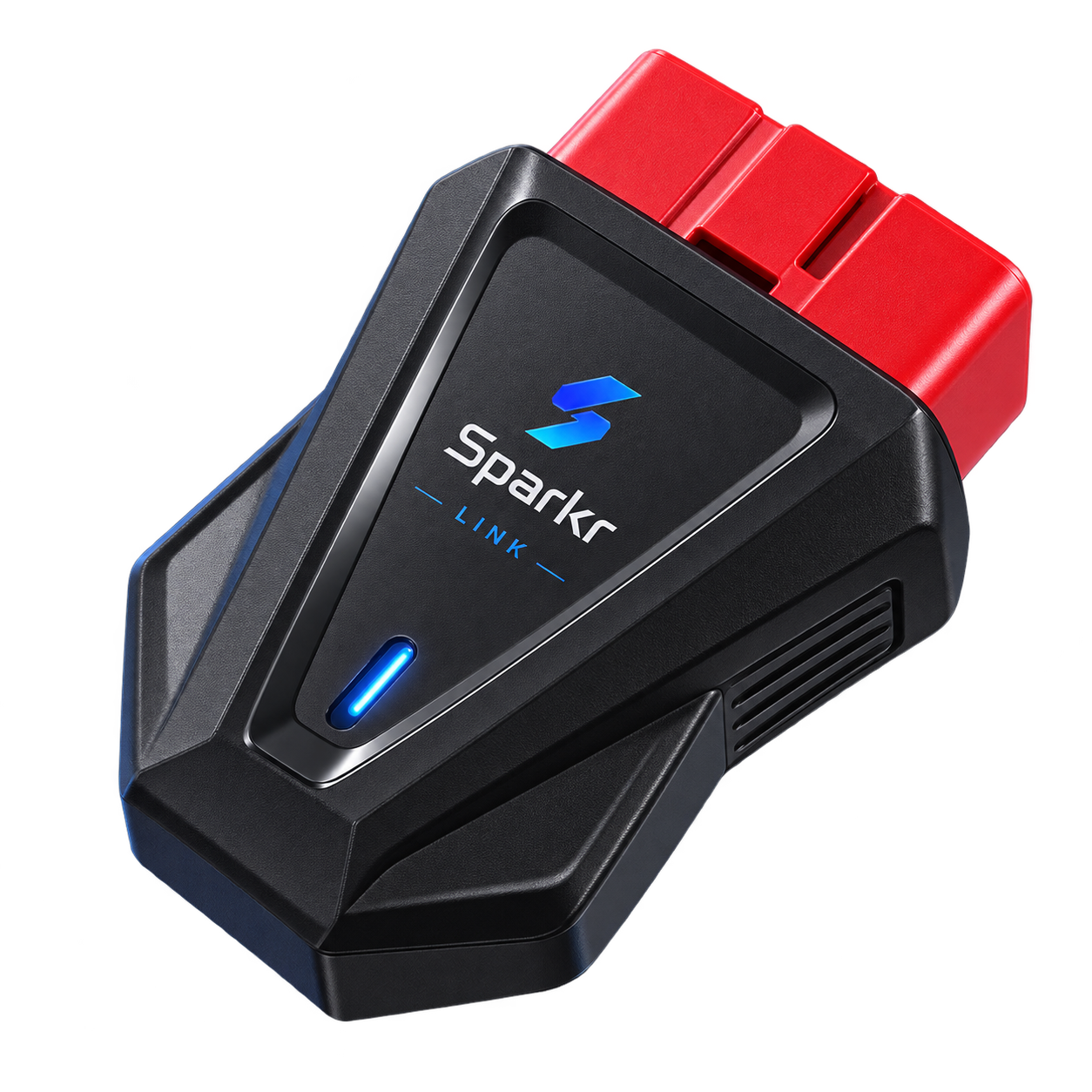
Sparkr Link · live
Get more productive time back in the bay.
Give your technicians a more direct path through diagnostic problems so they can spend less time chasing faults and more time completing repairs.
-
01
Less time on unproductive steps
Spend less time on diagnostic steps that do not move the case forward.
-
02
Fewer interruptions
Fewer interruptions for your most experienced technician.
-
03
More confidence before parts
More confidence before replacing parts.
See what Sparkr could save your shop.
Bring us a real diagnostic problem. We’ll show you how Sparkr approaches it, what it recommends testing, and how it helps your technician work toward a confirmed diagnosis.
Now introducing Sparkr to independent repair shops in Las Vegas.